

As winter settles in and temperatures drop, the body reacts in ways many people do not fully expect. Cold air, less sunlight, and dry indoor heating all interact in ways that can cause certain health conditions to flare — especially for older adults, people with disabilities, and anyone managing chronic illness. Understanding these seasonal changes is one of the simplest, most effective ways to prevent avoidable winter challenges.
How Cold Weather Affects Breathing

One of the most common winter struggles is the strain placed on the lungs and airways. Cold air is harsh and dries out the passages, triggering tightness for people with asthma, COPD, or chronic bronchitis.
Research published in The Lancet Respiratory Medicine shows that hospital visits for respiratory conditions rise sharply during winter because cold air narrows the airways. For those with sensitive lungs, even a short walk from the house to the car can lead to coughing, wheezing, or shortness of breath.
Simple ways to protect your breathing:
Cover your nose and mouth with a scarf to warm the air
Pause indoors before stepping outside to prepare your lungs
Keep inhalers close by and check that they have not expired
Small adjustments like these can make outdoor moments much more comfortable and safe.
Winter and Heart Health: What You Should Know

Cold weather also places stress on the heart and blood vessels. According to the American Heart Association, the winter months are linked to increased blood pressure, added heart strain, and higher rates of cardiac events.
Why? Because the body naturally constricts blood vessels in cold environments to hold in heat. That tightening increases the workload on the cardiovascular system.
Supporting your heart during cold months:
Maintain a steady indoor temperature
Dress in layers to stay warm
Move gently throughout the day to keep circulation flowing
These small habits help ease the pressure that cold weather puts on the heart.
Joint Pain and Stiffness: Why It Gets Worse in Winter

For many people, winter brings a familiar challenge: increased joint stiffness and pain. Arthritis symptoms often flare up when temperatures fall.
Research published in the BMJ has long shown a connection between cold weather and worsened joint discomfort. Lower atmospheric pressure and chilly air can make joints feel tight, achy, and slow to move.
Ways to stay flexible and reduce discomfort:
Begin the day with a warm shower to loosen joints
Do light stretching in the morning or before bed
Wear warm clothing, especially gloves, socks, and layers
Keeping the body warm and gently active can help prevent the stiffness that winter often brings.
Dry Skin in Winter: More Than Just an Irritation
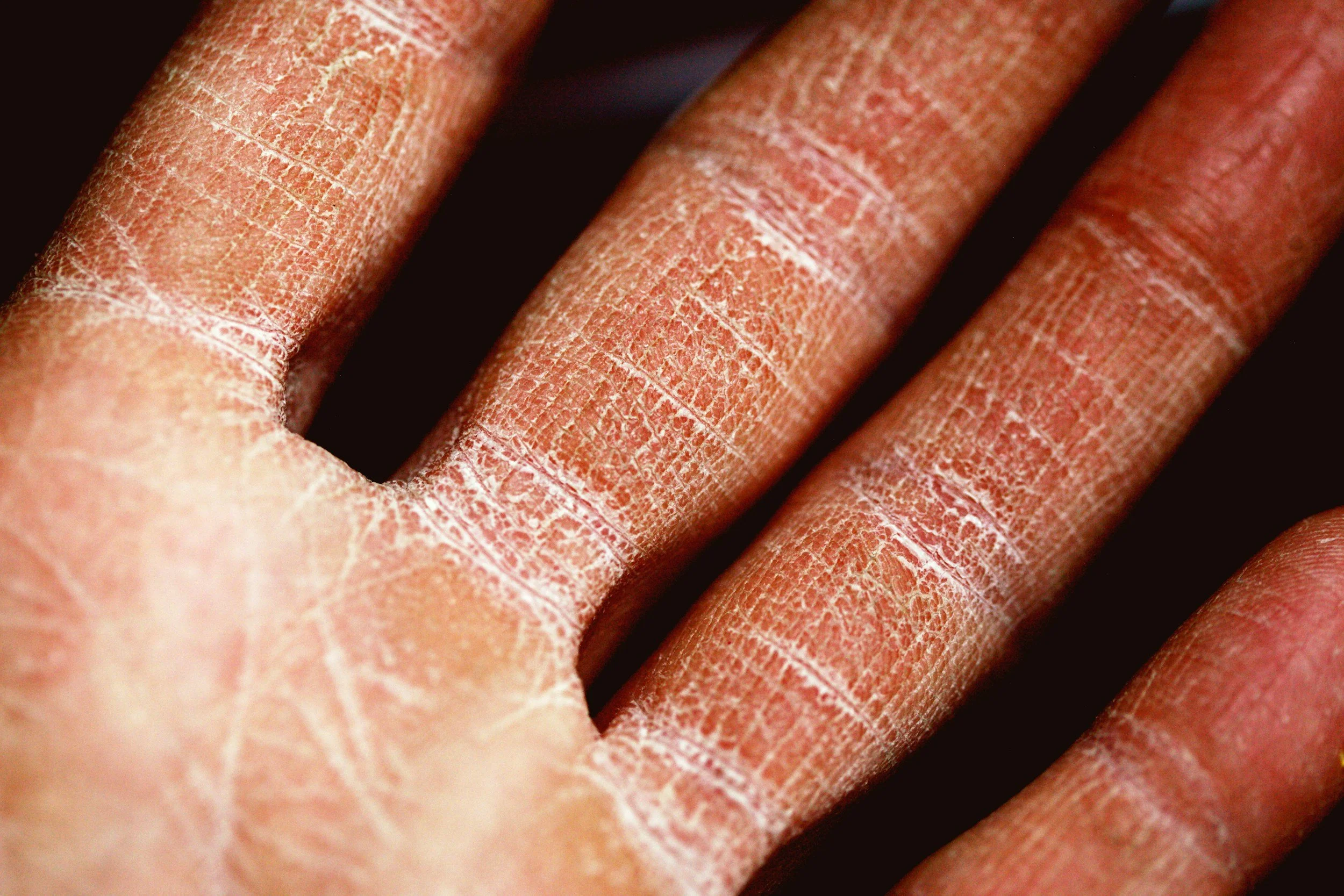
Cold outdoor air paired with dry indoor heat pulls moisture from the skin quickly. The Mayo Clinic notes that winter dryness can worsen eczema, cause cracked skin, and increase infection risk when the skin barrier is disrupted.
Protecting the skin becomes a health priority — not just a comfort measure.
Tips for healthier winter skin:
Drink enough water each day
Use gentle, fragrance-free moisturizers
Avoid very long or very hot showers, which strip moisture
These simple habits help maintain the skin’s natural barrier throughout the colder months.
Understanding Mood Changes During Winter

Shorter days and reduced sunlight can affect mood and energy levels. Many people feel more tired, less motivated, or generally low during winter — a pattern recognized by the National Institute of Mental Health.
This doesn’t mean something is wrong; it’s a common seasonal response.
Ways to support emotional well-being:
Get natural light early in the day when possible
Stay connected with friends, family, or community groups
Keep gentle routines that lift mood and maintain structure
Small, consistent actions can make winter feel brighter and more manageable.
Putting It All Together
When we look at all these factors, one message stands out clearly: winter affects the whole body. Understanding these changes empowers us to protect ourselves and those who rely on us.
Daily habits such as consistent warmth, steady medication routines, protective clothing, gentle movement, moisturized skin, and mindful transitions between indoors and outdoors all add up to safer, healthier winter months.
With the right awareness and preparation, cold weather does not have to be a barrier to comfort, dignity, or good health. Instead, it becomes a season where we pay closer attention — and look out for one another when our bodies need it most.